
SEO & Website Optimization
A website should understand what it represents.
Search optimization begins long before keywords. A website has to establish what matters, how its parts relate to one another and what each page contributes to the whole.

Structure & Indexing Services
Give every important page a clear purpose, a logical relationship to the rest of the website, and a structure that both visitors and search engines can understand.
-
Page Titles & Descriptions Canonical URLs Heading Hierarchy Structured Data XML & Image Sitemaps

Performance & Technical Cleanup
Improve what is happening beneath the design without removing functionality that is already doing its job.
-
CSS & Code Reduction Controlled Lazy Loading Image Optimization Markup Validation Accessibility & Mobile Behavior

Content & Local Relevance
Make the relationship between the website, its subject and the communities it actually serves unmistakable.
-
Page-Specific Content Local Service Areas Internal Linking Image Names & Alt Text Entity Relationships
At Transmultimedia, optimization often begins with an existing website. We look at the content, architecture, photographs, code and accumulated history of the site before deciding what should change. Some things need to be rewritten. Others need to be reorganized, identified more clearly or connected properly. Some simply need to be left alone because they are already working.
Then the technical work follows: page titles and descriptions, canonical URLs, structured data, internal links, image identification, XML and image sitemaps, accessibility, mobile behavior, CSS, JavaScript and loading performance. SEO, in that sense, is not an overlay. It is part of making the website coherent.
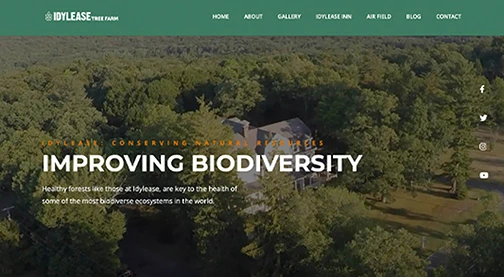
The work changes with the subject. For a restaurant, that can mean understanding the relationship between the food, the location, the people and the experience of being there. For a documentary, it can mean establishing clear relationships among the film, its subject, filmmakers, distribution and supporting material. For a historic property or conservation project, it means organizing history, geography, archival material and current stewardship without flattening them into generic marketing language.
For a local business, it also means describing the business identity, location and the communities it actually serves with enough precision that search engines and potential customers can understand the same thing.
We are not trying to make a website appear more relevant. We are trying to make its relevance unmistakable.